
Beginner Golf Lessons: Discover Local Introductory Classes
Beginner Golf Lessons Cranston RI: Discover Local Introductory Classes for New Golfers
Beginner golf lessons in Cranston, RI focus on helping new players learn safe, repeatable fundamentals while building confidence to enjoy the game. This guide explains what to expect from an introductory class, how junior and adult programs differ, the technology that speeds learning, and how to book your first lesson in Cranston. Many new golfers feel uncertain about clubs, etiquette, or where to start; clear assessment, simple drills, and measurable feedback remove that uncertainty and create a straightforward practice plan. Read on for practical checklists, technology explanations, program comparisons, and a step-by-step booking process so you can find beginner golf lessons near me or schedule your first session with local instructors.
What Can You Expect from Beginner Golf Lessons in Cranston, RI?
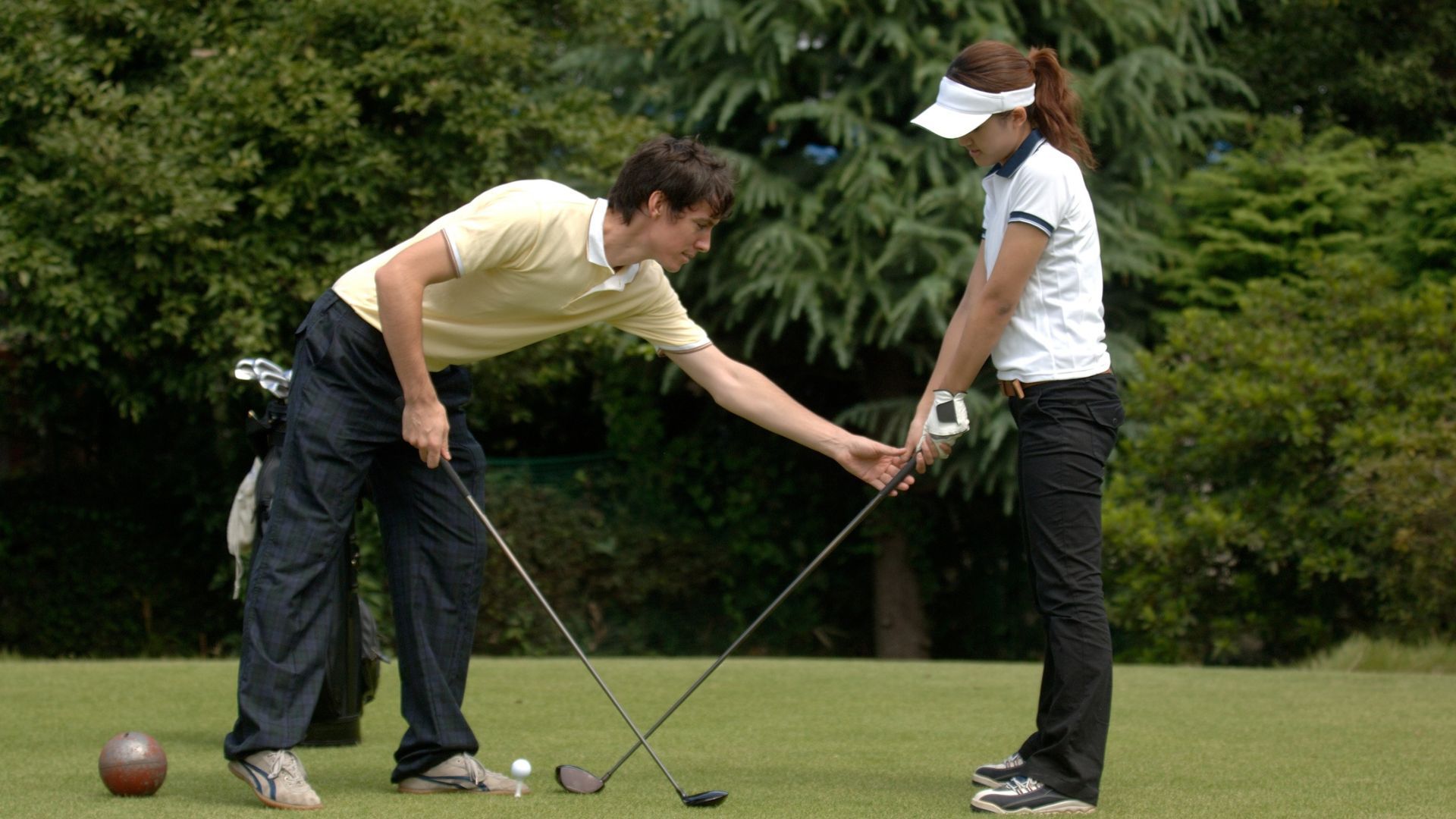
Beginner golf lessons in Cranston, RI begin with a short assessment to establish posture, grip, and basic swing patterns, then focus on a targeted plan to build consistency and short-game competence. Lessons emphasize practical mechanics—grip, stance, posture, alignment—and introduce safe practice habits so learners make steady, measurable improvements without overwhelm. Students receive immediate feedback through visual coaching and simple drills that reinforce correct movement patterns, and lessons are paced to match physical ability and learning preferences. After learning fundamentals, most beginners get a clear at-home practice plan to accelerate progress and maintain momentum.
Beginners should expect several core outcomes:
- Rapid identification of the single biggest swing fault limiting progress.
- Clear, repeatable drills for grip, stance, and short game.
- A brief baseline assessment and a personalized practice plan.
These expectations set the stage for choosing the right program and instructor in Cranston and help new golfers compare local options like Topgolf Rhode Island or GOLFTEC Rhode Island. The academy differentiators are rooted in experienced coaching and facility resources: Todd Campbell is a PGA Member and coach named Golf Digest Best Teachers in State for 2024-2025 and Rhode Island PGA Teacher of the Year in 2022 and 2023. toddcampbellgolfacademy.com
How Does Todd Campbell’s PGA-Certified Coaching Benefit Beginners?
Todd Campbell’s PGA-certified coaching emphasizes structured progression, clear demonstrations, and repetition of one core idea at a time to prevent information overload. As a coach, he uses a teaching sequence that starts with posture and grip, moves to short-game fundamentals, and then integrates a simple full-swing pattern that preserves accuracy while building distance. This approach helps beginners experience small, measurable wins that increase enjoyment and reduce anxiety about learning golf. Local learners benefit from a coach who pairs proven teaching methods with a supportive learning environment at Cranston Country Club.
What Are the Key Fundamentals Taught in Introductory Golf Classes?
Introductory classes focus on a compact set of fundamentals that together create a reliable foundation for every part of the game. Grip instruction covers hand placement and pressure to promote consistent clubface control, while stance and posture teaching aligns the body for balanced swings and efficient weight transfer. Short-game basics—chipping, pitching, and putting—are introduced early because scoring relies heavily on these skills, and simple drills teach how to control distance and trajectory. Lessons also explain basic golf etiquette and safety so beginners feel comfortable on practice ranges and course settings.
Which Beginner Golf Programs Are Available for Juniors and Adults?
Choosing the right beginner program depends on age, attention span, and learning goals; programs typically range from structured junior clinics to adult group classes and private lessons. Junior programs prioritize fun, movement skills, and short attention-cycle drills, while adult lessons emphasize efficient progress, realistic practice plans, and physical considerations like mobility and conditioning. Many facilities offer both group clinics for social learning and private sessions for accelerated one-to-one feedback, and options may include seasonal camps or weekly classes to fit family schedules. Comparing program attributes helps parents and adults pick formats that match time, budget, and preferred pace of learning.
Below is a quick comparison of common beginner program types to help you decide which path fits your needs before contacting an instructor.
| Program | Audience / Format | Typical Duration |
|---|---|---|
| Junior Clinic | Ages 6–14, group format, emphasis on fun and fundamentals | 45–60 minutes per session |
| Youth Camp | Ages 8–16, multi-day immersion with games and drills | Half-day to full-day camps |
| Adult Group Class | Adults new to golf, small groups, skill-focused curriculum | 60–90 minutes weekly |
| Private Lessons | Any age, one-on-one instruction, customized plan | 30–60 minutes per lesson |
This table clarifies the core trade-offs—group energy and lower cost versus private customization—and helps you match an option to goals and availability. When comparing local providers such as GOLFTEC Rhode Island or instructor listings from the PGA of America, think about whether you want family-friendly scheduling or intensive one-on-one attention. The academy offers flexible lesson formats and technology-enabled sessions appropriate for both juniors and adults, and some parents appreciate the academy’s state-of-the-art indoor facility at Cranston Country Club.
What Junior Golf Lessons Does the Academy Offer for Young Beginners?
Junior lessons focus on motor skills, safe club handling, and short, engaging drills that build coordination and confidence in young learners. Sessions use age-appropriate language, games, and progress markers so children experience measurable improvement and enjoy returning to practice. Coaches keep group sizes small and rotate activities to maintain engagement while teaching core skills like grip, stance, and contact. Parents receive concise progress notes to support at-home practice, and the facility supports loaner clubs and family-friendly scheduling when needed.
How Do Adult Beginner Golf Lessons Cater to New Golfers in Rhode Island?
Adult beginner lessons adapt coaching pace to mature learners who often need time-efficient drills and clear practice routines that fit busy schedules. Instructors prioritize the three or four most impactful changes that create immediate improvement in ball striking and short-game control, then provide focused at-home drills that take 10–20 minutes per day. Sessions address physical limitations with modified setups and mobility-smart exercises to reduce injury risk while promoting better mechanics. This pragmatic approach helps adults see progress quickly and keeps lessons relevant to on-course play and social rounds.
How Does Advanced Technology Enhance Beginner Golf Instruction?
Modern technology turns subjective impressions into objective data, accelerating learning by showing measurable change and pinpointing specific faults to correct. Launch monitors, high-speed video, and simulator feedback provide immediate, quantifiable insights about ball flight, club path, and impact conditions so coaches can prescribe exact drills rather than guesswork. This objective baseline makes practice more efficient and helps beginners track progress across sessions, which reinforces motivation and clarifies where to focus practice time. Using data-driven coaching bridges the gap between feeling improvement and actually measuring it, which shortens the learning curve for new golfers.
The table below explains common technologies and the beginner-friendly benefits each provides.
| Technology | What it measures | Beginner benefit |
|---|---|---|
| TrackMan | Ball flight, launch angle, club speed, club path | Pinpoints swing-and-ball relationship to fix slices and mis-hits |
| Video analysis | Swing plane, posture, timing in slow motion | Visual feedback that makes corrections obvious and repeatable |
| Simulator | Course visuals, shot outcomes, repeatable conditions | Safe, weather-proof repetition and on-course scenario practice |
These tools combine to create targeted drills: a TrackMan metric shows a slice, video reveals an open clubface at impact, and a simulator lets the student rehearse corrected swings repeatedly. At the local level, facilities that use these technologies — including the academy’s indoor setup — give beginners clearer progress markers compared with range-only instruction.
What Is TrackMan and How Does It Help New Golfers Improve?
TrackMan is a radar-based launch monitor that measures precise ball-flight and club data, translating physical actions into numbers that define what’s actually happening at impact. For a beginner, TrackMan simplifies coaching by showing launch angle, spin rate, and club path so the coach can isolate one variable to change—such as closing the clubface or adjusting swing path—to produce a specific improvement. Beginners benefit because the data removes subjective guessing and allows practice drills that target measurable outcomes like straighter shots or increased carry. Immediate numeric feedback helps students see progress across sessions and keeps practice focused on the highest-value corrections.
How Is Video Swing Analysis Used to Support Beginner Progress?
Video swing analysis records the swing and lets students compare frames side-by-side with an ideal model or previous attempts, creating a visual roadmap for improvement in posture and sequencing. The workflow is straightforward: capture the swing, review key frames with the coach, and translate the observation into a single drill to practice at home. Visual learners particularly benefit because they can see the mismatch between their current movement and the desired motion, accelerating motor learning through repetition. Combined with launch data, video confirms that the visual correction produces the expected ball-flight change, reinforcing the new habit.
How Do You Start Your Beginner Golf Journey at GOLF Academy with Todd Campbell?
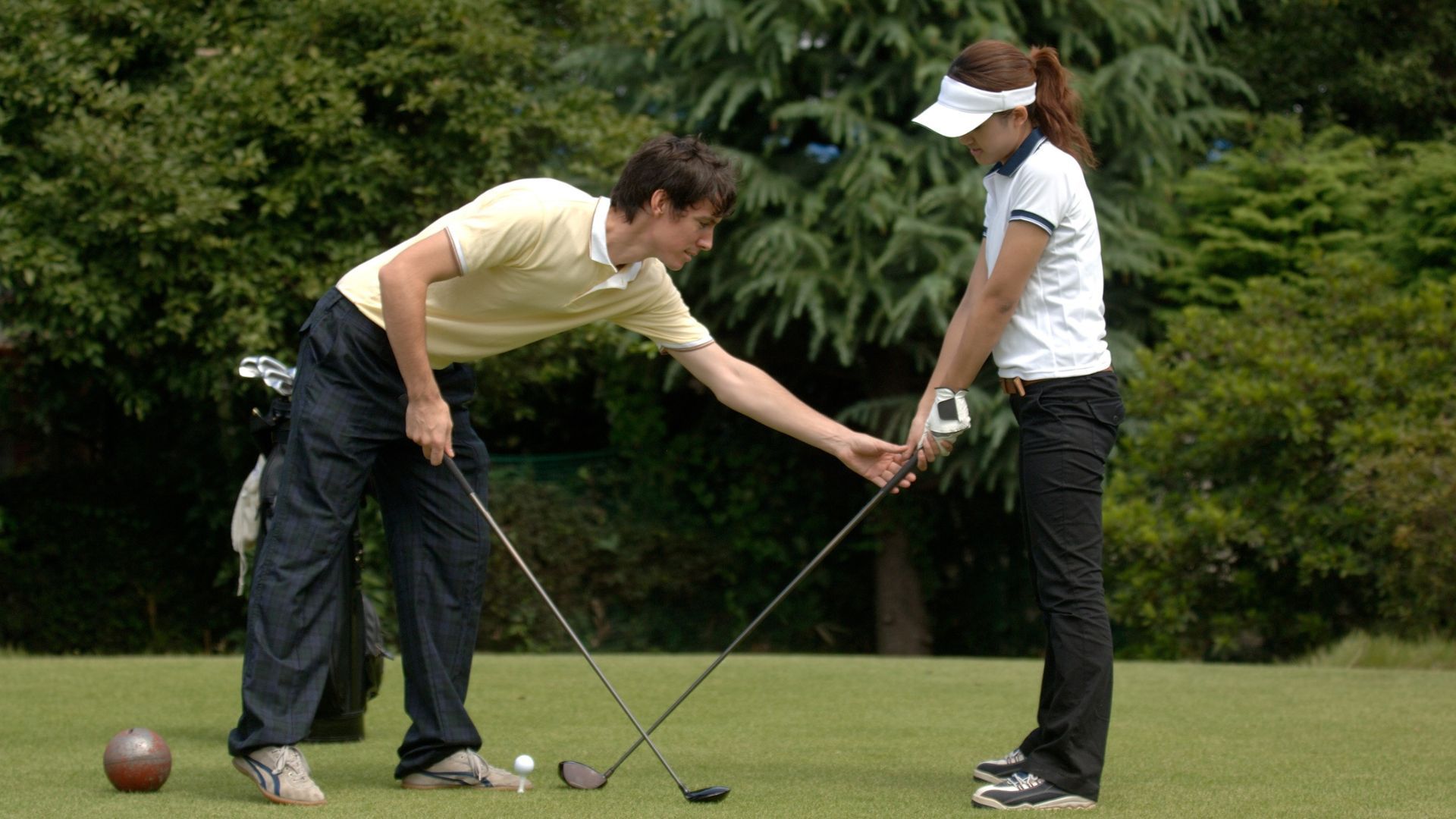
Starting your beginner golf journey is a simple sequence: assess, schedule, attend, and practice with a tailored plan that grows as you improve. The booking process typically includes a short intake call or form to describe experience and goals, an initial assessment lesson to establish the baseline, and a follow-up plan with practice drills and optional technology sessions. Facilities that provide loaner clubs, climate-controlled indoor bays, and short-term clinic options make the first steps less intimidating and easier to fit into weekly routines. The local context—training at Cranston Country Club with a PGA coach—adds convenience and consistent access to structured practice environments.
Before the onboarding checklist, here are clear booking and preparation steps:
- Contact the academy by phone to describe your beginner status and request an introductory lesson.
- Schedule an initial assessment lesson and ask about loaner clubs if you don’t own a set.
- Prepare comfortable clothing, athletic shoes, water, and a readiness to practice short, focused drills.
The academy operates from a 1500 sq ft State-of-the-Art Academy facility at Cranston Country Club and uses technologies like TrackMan, Sportsbox AI, Rotary Swing, Swing Catalyst, Sam PuttLab, AimPoint Express, and Titleist TPI. To book by phone, call (508) 951-4371 and mention that you are new to golf and would like a beginner assessment.
What Should Beginners Bring to Their First Golf Lesson?
Beginners should bring comfortable, breathable clothing and flat-soled athletic shoes to maintain balance and avoid damaging indoor turf; proper golf shoes are optional for early sessions. If you have clubs, bring a basic set so the instructor can evaluate length and grip fit, but loaner clubs are commonly available for true beginners. Small items like a water bottle, sunscreen (if outdoors), and a notepad or phone for recording practice points help reinforce learning between lessons. Arrive with an open mindset and realistic expectations—short, consistent practice beats occasional long sessions for beginners.
How Can You Book Your First Introductory Golf Class in Cranston?
Booking your first class follows a clear, short sequence that gets you from inquiry to your first on-course or indoor practice session within a few days. Call the academy at (508) 951-4371 to request an introductory assessment and mention your availability and whether you prefer group or private lessons. Expect a confirmation with prep tips and directions to Cranston Country Club; the initial session is assessment-focused and ends with a concise practice plan to guide your next steps. When comparing local options such as Topgolf Rhode Island or GOLFTEC, ask about instructor credentials, facility technology, and beginner-specific progress markers to choose the best fit.
| Step | Action | What to expect |
|---|---|---|
| Initial Contact | Call or request a session | Short intake about experience and goals |
| Assessment Lesson | 30–60 minute session | Baseline metrics, short drills, practice plan |
| Follow-up | Book ongoing lessons or clinics | Structured progression and tech-enabled measurements |
This onboarding table condenses the practical steps so beginners can act immediately and feel confident about the first session. The academy’s local presence at Cranston Country Club and its PGA-affiliated coaching model make it a straightforward starting point for new golfers in Rhode Island.